Health and Safety Policy for Removal Van Chiswick
 This Health and Safety Policy sets out the principles and working practices that support safe, responsible, and well-organised removal van services in Chiswick. The aim is to protect staff, customers, property, and the wider public by reducing risk at every stage of the moving process. Whether a job involves a single-item collection, a full home relocation, or a business move, safety remains the priority. A safe removals environment depends on planning, clear communication, and consistent standards.
All operations are designed around preventing injury, avoiding damage, and maintaining control of vehicles and equipment. Removal work can involve heavy lifting, confined access, unpredictable traffic conditions, and awkward items. For that reason, every task is assessed before it begins. Staff are expected to follow safe working methods, use equipment properly, and remain alert to hazards. This applies equally to packing areas, staircases, loading bays, and vehicle interiors.
 The policy also recognises that safety is not limited to physical handling. Good practice includes time management, route planning, weather awareness, and respectful behaviour in occupied properties. A professional removal van service must avoid unnecessary rushing, as pressure often increases the chance of mistakes. Careful coordination helps ensure that furniture, appliances, and fragile possessions are moved in a controlled and secure way.
Core Safety Responsibilities
Everyone involved in the move has a role to play. Managers, drivers, porters, and packing staff must work to shared standards and report concerns promptly. Safety responsibility begins before the vehicle is loaded and continues until the final item is placed in position. The main expectations include:
- Carrying out a suitable risk assessment before each job.
- Using correct lifting techniques and team lifting where needed.
- Checking that pathways, stairs, and exits are clear.
- Securing all items to prevent movement during transit.
- Inspecting vehicles and equipment before use.
- Stopping work if a situation becomes unsafe.
Staff must never assume that a move is routine simply because the van removal task appears straightforward. Every property, access route, and item presents different conditions. For this reason, a Chiswick removal van operation should treat each assignment individually and adapt procedures accordingly. Attention to detail is essential when handling delicate goods, oversized furniture, and items with sharp edges or unstable weight distribution.
Personal protective equipment may be used where required, including gloves, suitable footwear, and hi-visibility clothing during roadside or loading-area operations. Clothing and footwear should support safe movement, good grip, and protection from minor knocks or scrapes. Staff are also expected to remain fit for work, avoiding tasks if fatigue, illness, or impairment could affect judgement, coordination, or balance.
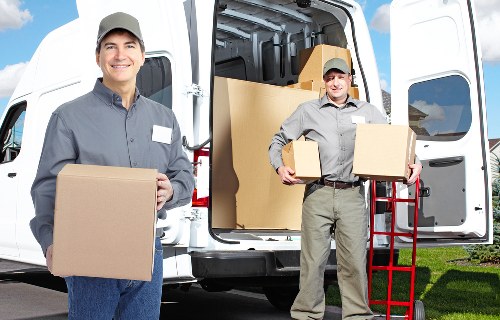 Manual handling is one of the most important areas of this policy. Heavy lifting, twisting, and carrying in narrow spaces can lead to strain or injury if not managed correctly. Items should be lifted with stable footing, a straight back, and controlled movement. Whenever loads are too large, too heavy, or too awkward for one person, the team must use lifting aids or shared handling methods. Breaks should be taken where necessary to prevent overexertion.
Vehicle safety is equally important. Each removal van must be kept clean, roadworthy, and properly maintained. Daily checks should confirm the condition of tyres, mirrors, lights, brakes, fuel levels, and load restraints. Loads must be balanced and secured so that they cannot shift during braking or cornering. Drivers are expected to observe speed limits, allow extra stopping distance, and adjust driving style for rain, congestion, or restricted access.
When working on private property or in shared buildings, staff must respect the environment and protect others from avoidable harm. Floors, walls, bannisters, and door frames should be protected where needed, and common areas should remain as unobstructed as possible. Spills, packaging waste, and broken items must be dealt with promptly. A tidy workspace reduces trip hazards and supports a more efficient removal van operation.
Safe Working Practices
The company expects all personnel to communicate clearly with one another and with the customer where relevant. Instructions should be confirmed before lifting begins, and uncertain situations should be paused until clarified. If access is restricted, weather conditions worsen, or equipment fails, the task should be reassessed. No employee should feel pressured to continue work that appears unsafe. Good decision-making is part of professional service.
Risk control measures may include the use of trolleys, straps, blankets, ramps, and other handling tools appropriate to the item and setting. These aids reduce strain and help protect possessions from impact or abrasion. Packing materials should be selected carefully so that fragile goods remain stable during transport. Staff should also take care when loading and unloading near roads, keeping aware of pedestrians, cyclists, and passing vehicles.
Fire safety and emergency preparedness are also covered by this policy. Vans must not carry prohibited items, and flammable materials should be handled according to legal and safety requirements. Drivers and crews should know what to do in the event of an accident, mechanical fault, injury, or sudden illness. Emergency procedures must be followed calmly and without delay. In any serious incident, protecting people takes precedence over protecting property.
Monitoring, Review, and Compliance
 This policy is reviewed regularly to ensure that it remains effective, current, and aligned with safe working expectations. Changes in equipment, vehicle types, work patterns, or industry practice may require updates. Reporting near misses, hazards, and incidents helps improve standards and prevent recurrence. Records may be kept to support training, maintenance, and compliance checks.
All staff are expected to follow this policy at all times. Failure to do so may result in corrective action, as unsafe behaviour can place people and property at risk. The goal is not only to comply with requirements but to build a culture of care, reliability, and professionalism across every removal van service activity. Safe practice benefits crews, customers, and everyone affected by the move.
 By applying these principles consistently, a removal van in Chiswick can carry out work efficiently while maintaining high standards of health and safety. The commitment to safe lifting, secure loading, responsible driving, and clear communication ensures that every move is managed with due care and respect. This policy supports a dependable service where prevention, preparation, and awareness remain central to every job.