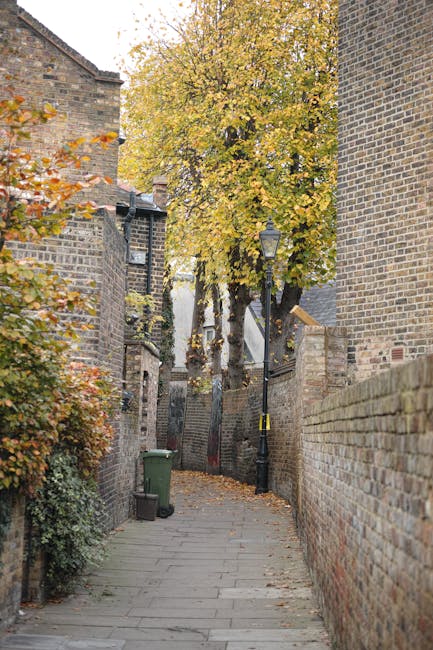
Chiswick High Road removals tips for narrow streets
Posted on 20/06/2026
If you are moving along Chiswick High Road, the street layout can change the whole feel of moving day. Space is tighter than most people expect, traffic can build quickly, and a van that looks perfectly fine on paper can become awkward the moment it meets a row of parked cars, shop deliveries, or a tight turning angle. These Chiswick High Road removals tips for narrow streets are written to help you plan properly, move safely, and avoid the kind of delays that make everyone sigh a bit too loudly at 8am.
Truth be told, a narrow-street move is rarely about brute force. It is about timing, sequencing, and choosing the right vehicle size for the right property. Whether you are moving from a flat above a parade of shops, a family home tucked just off the High Road, or a small office with limited loading space, the best outcome usually comes from preparation rather than improvisation. And yes, a calm plan saves money too.
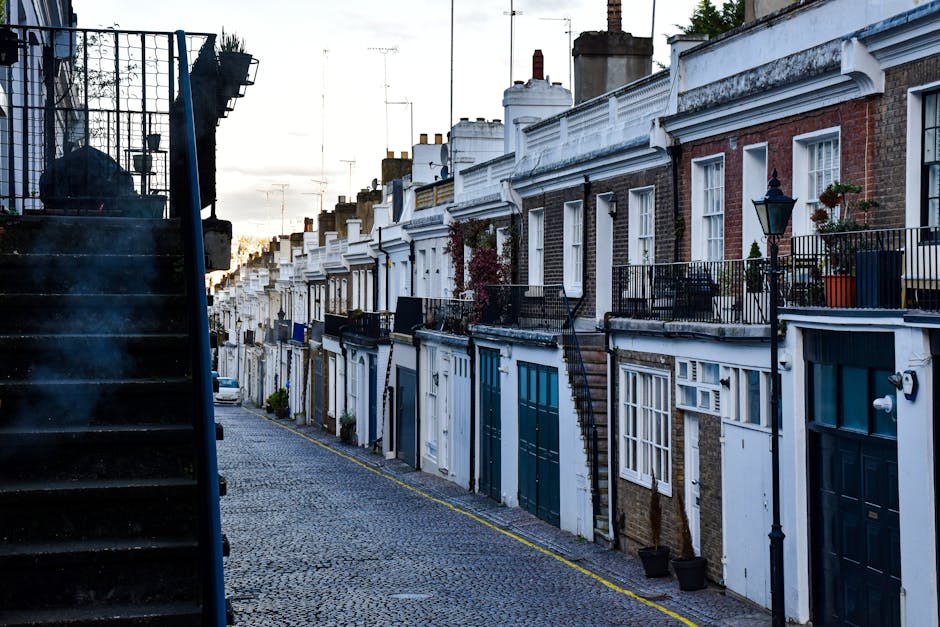
Why Chiswick High Road removals tips for narrow streets Matters
Chiswick High Road is busy, lively, and useful in all the ways a local high street should be. It is also, in moving terms, a place where small mistakes become big delays. Narrow access means your removal team may need to work with less kerb space, less room to reverse, and less tolerance for leaving a vehicle parked halfway where everyone else needs to pass. That is why planning for access is not a nice extra. It is the core of the move.
In practical terms, narrow streets affect almost every part of the day: where the van stops, how long loading takes, whether larger furniture can be carried directly from the property, and whether you need a second smaller vehicle or shuttle trips. If your building has stairs, shared entrances, or awkward corners, the pressure multiplies quickly. You can almost hear the problem before you see it: the lift door opens, someone says "that won't fit," and the clock starts ticking.
This matters even more if you are moving at peak times. Chiswick High Road can be especially unforgiving when traffic is already slow and delivery vehicles are competing for space. A good plan gives you margin, and margin is what keeps a move from becoming chaos.
How Chiswick High Road removals tips for narrow streets Works
A well-run narrow-street move usually starts before moving day. The process is less about the final lift and more about identifying every friction point in advance. Experienced teams will look at access from the van to the front door, the width of the road, the height of nearby parked vehicles, the safest place to queue, and whether any pieces need to be taken apart first.
For smaller moves, a compact vehicle and a careful loading sequence may be enough. For larger homes or furniture-heavy jobs, a staggered plan often works better: load essential items first, protect fragile pieces separately, and keep bulky furniture ready for the easiest exit path. If you are comparing vehicle choices, a service like man and van support in Chiswick can suit smaller or more flexible moves, while a larger removal van option is better when volume and access both need careful balancing.
What tends to make the biggest difference is the sequence. Not the drama. The sequence. If boxes are ready, furniture is dismantled where needed, and the route is clear, the team can move in a steady rhythm rather than stop-start bursts. That is the real trick on a narrow street.
Key Benefits and Practical Advantages
Getting the access plan right does more than reduce stress. It improves the whole move from a safety, speed, and cost perspective. When you reduce back-and-forth manoeuvring, you lower the chance of damage to furniture, door frames, and the van itself. You also keep the crew working efficiently, which matters a lot when every minute counts.
There are a few clear benefits people often notice straight away:
- Faster loading and unloading: less wandering, less repositioning, less waiting for parking space to clear.
- Lower risk of damage: better route planning reduces collisions with walls, corners, bins, and kerbs.
- Less disruption to neighbours: tidy loading keeps pavements and entrances more usable.
- Better use of labour: the moving team spends more time carrying and less time solving avoidable access problems.
- More accurate quotes: a clear access brief helps removals companies price the job more sensibly.
There is also a quieter benefit: confidence. People often underestimate how much calmer they feel when the first van pull-up is already planned in their head. It sounds small, but it really changes the day.
If your move includes furniture that needs special handling, take a look at furniture removals in Chiswick and packing and boxes support to reduce the pressure on moving day. For larger local moves, removals in Chiswick can provide the broader service structure around the actual loading.
Who This Is For and When It Makes Sense
This advice is useful for anyone moving in or around the High Road, but it is especially relevant if your property sits on a narrow residential street, a mews-like access road, or a busy side street with limited stopping space. Flat moves, student moves, and smaller household moves often need the most care, simply because there is less room for error.
You may need these tips if you are:
- moving out of a top-floor flat with tight stairs;
- trying to coordinate around street parking pressure;
- moving a sofa, wardrobe, piano, or other bulky item;
- working with a limited time window for access;
- sharing an entrance with neighbours or other businesses;
- moving during school-run or commuter-heavy hours;
- trying to keep costs down by avoiding wasted van time.
For flats in particular, narrow access can make a standard move feel much larger than it really is. That is where a flat removals service can be the right fit, because it focuses on the realities of stairs, corridors, and tighter entry points. If you are moving a particularly awkward item, such as a piano, there is no shame in treating it as a specialist task. Quite the opposite, really.
Step-by-Step Guidance
Here is the simplest way to approach a narrow-street move without overcomplicating it. Small steps, sensible order, no heroics.
- Check the access outside your property. Look at the road width, nearby parked cars, lamp posts, railings, and any places where a van would struggle to reverse or turn.
- Measure the big items. Sofas, beds, wardrobes, dining tables, and appliance dimensions matter more than people think. If a piece cannot turn the corner, the whole route changes.
- Reduce clutter before moving day. The fewer loose items you have, the faster the handover from house to van.
- Choose the right vehicle size. A smaller van may be easier to park and manoeuvre, while a larger van may reduce the number of trips. The right choice depends on the road, not just the volume.
- Pack by exit order. Keep the first items out easiest to reach. Essentials near the door, awkward pieces separated, fragile boxes clearly labelled.
- Protect floors and edges. In narrow spaces, scrapes happen fast. Door protectors, blankets, and careful cornering are worth their weight in gold.
- Plan the load sequence. Heavy, stable items first; fragile items secured later; everything wedged so it cannot shift in transit.
- Keep a backup plan. If the closest stop point is blocked, know where the van can wait without causing a row or a fine.
As a practical example, if the road outside your building is already tight by mid-morning, it may be better to schedule the van earlier and get the largest items out while the street is still moving smoothly. That one tweak can save half an hour, sometimes more.
Expert Tips for Better Results
There are some small things professionals look for almost automatically. They do not feel glamorous, but they make the day easier.
- Walk the route from front door to van before lifting anything. Look for weak points: narrow gates, sharp corners, low branches, uneven paving.
- Use a load order that matches the property. If the biggest item has the hardest exit path, deal with it first, not last.
- Keep tools close. Screwdrivers, allen keys, tape, gloves, and labels should not be buried under a pile of random stuff. It happens, though.
- Pad the van properly. Narrow-street moves often involve more stop-start movement, so secure load stability matters even more.
- Be realistic about timing. A short road can still be a slow road if the parking is awkward or the staircase is steep.
- Communicate with neighbours early if needed. A polite note or quick conversation can prevent a lot of friction on the day.
One of the most useful habits is to over-prepare the first hour. If the first hour runs well, the rest of the day usually settles down. If it doesn't... well, you tend to feel it everywhere.
If you are comparing providers, it may help to review removal companies in Chiswick and see how each one handles access, equipment, and planning. You can also read about insurance and safety to understand the practical standards that matter when items are being moved through a tight space.

Common Mistakes to Avoid
Most moving day headaches on narrow streets are predictable. That is the annoying part. The good news is they are also avoidable.
- Assuming the street will be clear. On busy roads, parking and deliveries change the picture quickly.
- Booking a van that is too large. Bigger is not always better when access is restricted.
- Leaving packing too late. Last-minute boxing almost always creates poor labelling and poor loading order.
- Ignoring upstairs access. Stairs, bannisters, and tight turns can slow the move more than distance does.
- Forgetting specialist handling needs. Pianos, glass furniture, and antique pieces need more care than standard items.
- Not checking if storage might help. If access is especially difficult, moving in phases can be much easier than forcing everything into one exhausting day.
A very common one: people focus only on the destination and forget the exit from the old property. That is where the time goes. And on a narrow street, time is not generous.
Tools, Resources and Recommendations
You do not need a van full of fancy gadgets to manage a narrow-street removal well. But a few tools and service options can make a noticeable difference.
| Tool or resource | Why it helps | Best used for |
|---|---|---|
| Measuring tape | Checks furniture, doorways, stair turns, and van loading space | Any move with large items |
| Furniture blankets and wraps | Protects items from bumps and door-frame scrapes | Flat moves and bulky furniture |
| Labels and markers | Speeds unloading and reduces confusion | Multi-room or family moves |
| Small-dolly or sack truck | Makes short carrying distances easier and safer | Heavy boxes and appliances |
| Storage option | Lets you split the move if access is awkward or timing is tight | Phased moves and oversize loads |
If you are not sure whether everything will fit comfortably in one go, a temporary storage solution can take the pressure off. See storage in Chiswick for situations where splitting the move is the sensible option. For last-minute changes, a same-day removals service may be useful, but only if the access is realistic and the load is already under control.
For people who prefer to keep the whole move simple, the services overview page is a good place to understand the broader options before deciding how much help you actually need. Sometimes the smartest move is not the biggest one. Slightly boring answer, perhaps, but true.
Law, Compliance, Standards, or Best Practice
For a local move, the main compliance issues are usually practical rather than dramatic. You are generally dealing with safe loading, responsible parking, careful handling, and clear communication. If a vehicle needs to stop in a place that affects traffic flow, the moving team should be sensible about timing and positioning. On busy roads like Chiswick High Road, that is not just courtesy; it is basic professional behaviour.
It is also worth remembering that reputable movers should work with proper insurance, sensible safety procedures, and clear terms for what is and is not included. If you are hiring help, ask how they manage stair carries, awkward access, and damage protection. The answer should feel straightforward, not slippery.
For peace of mind, check that the company is transparent about its approach to risk, complaints, and safety. Pages such as health and safety policy, terms and conditions, and complaints procedure help set expectations before moving day. That kind of clarity matters more than people realise.
There is also the human side of compliance, if you like. Good movers respect neighbours, keep walkways clear where possible, and handle property with care. Not glamorous. Very necessary.
Options, Methods, or Comparison Table
Choosing the right moving method on a narrow street is often about balancing access, volume, and budget. Here is a simple comparison to help you think it through.
| Method | Best for | Pros | Watch-outs |
|---|---|---|---|
| Man and van | Small moves, a few rooms, flexible access | Easier to park, often quicker in tight streets | May need multiple trips if there is lots of furniture |
| Removal van | Medium to larger household moves | More capacity, fewer journeys | Can be harder to position on very narrow roads |
| Flat removals service | Upper-floor properties and shared buildings | Better suited to stairs, lifts, and tight entrances | Needs strong planning for building access |
| Storage-led move | Staggered or delayed handovers | Reduces pressure and allows flexible timing | Requires extra coordination |
If you are moving a lot of furniture, the best fit may be a dedicated house removals service. If the move is smaller, more flexible, or time-sensitive, a man and van option may be more practical on a tight street. And if the job is mostly business equipment rather than household belongings, office removals in Chiswick may be the better match.
Case Study or Real-World Example
Imagine a second-floor flat just off Chiswick High Road. The road is busy by mid-morning, and there is only a short stretch where a van can stop without blocking a driveway. The resident has a sofa, a dining table, three bookcases, and a lot of carefully packed boxes. Nothing unusual, but enough to make access the main issue.
The move goes better when the team arrives early, the largest furniture is dismantled in advance, and the loading order is set by the order items need to leave the flat. The sofa goes first while the corridor is clear. The table follows. Boxes are grouped by room, so the van is packed logically rather than by luck. Because the stopping point is tight, the crew avoids leaving the van in the street longer than necessary. Everyone wins, basically.
Now compare that with a rushed version of the same move: boxes still being taped when the van arrives, a wardrobe that will not fit through the stair bend, and no one has thought about where the van can legally wait. That is when a half-day starts behaving like a full one. If you have ever lived through that, you will know the face everyone makes. A little tired. A little polite. A little doomed.
The point is simple: on narrow streets, the planning stage does the heavy lifting long before the boxes do.
Practical Checklist
Use this before moving day. It is not fancy, but it works.
- Measure large furniture and doorways.
- Confirm the best van size for the street.
- Identify where the vehicle can safely stop.
- Check if any items need dismantling.
- Label boxes by room and priority.
- Prepare blankets, tape, and basic tools.
- Notify neighbours if access could affect them.
- Keep pathways clear inside the property.
- Set aside essentials for the first night.
- Have a backup plan if parking is unavailable.
If you want a more complete packing prep, the packing and boxes page can help you think through what to gather before the crew arrives. A bit of order at the start saves a lot of head-scratching later.
Conclusion
Moving on or around Chiswick High Road is very doable, even with narrow streets and tight access. The key is to treat access as part of the job, not as a side issue that will somehow sort itself out. It won't, usually. But with good timing, the right vehicle, tidy packing, and a clear plan for loading and unloading, the day becomes much more manageable.
Whether you are moving a flat, a family home, or a smaller business space, the best Chiswick High Road removals tips for narrow streets all come back to the same idea: reduce surprises. Know the route, know the load, know the limits, and you give yourself a far calmer move. That is worth a lot when the street is already humming with traffic and the kettle at the old place is on its last pot.
Get a free quote today and see how much you can save.